
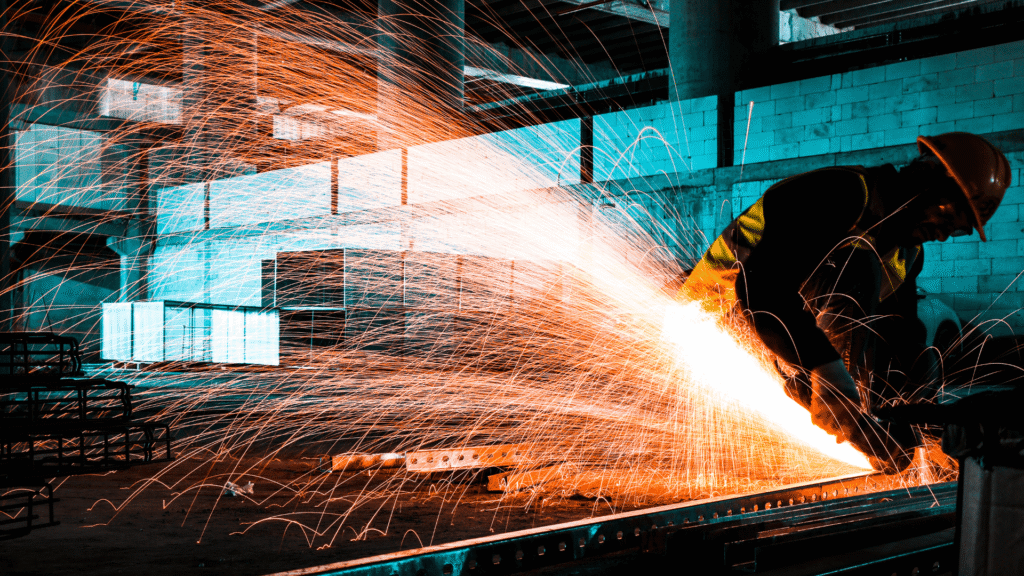
Metal erection contractors in California face serious daily risks—working at heights, handling heavy steel, and managing crews around complex job sites. A single accident could cost thousands in damages or legal fees. That’s why general liability insurance for metal erection contractors isn’t optional—it’s a business essential.
What General Liability Insurance Covers
General liability insurance is your first line of defense against costly claims. It protects your business when accidents cause:
- Bodily Injury: For example, a worker drops a beam that injures a site visitor.
- Property Damage: A falling tool damages a client’s structure or vehicle.
- Completed Operations: A weld failure causes damage after the job is done.
- Legal Defense Costs: Covers attorney fees, settlements, and judgments.
In California, many general contractors won’t hire subcontractors unless they carry at least $1 million per occurrence and $2 million aggregate coverage. This is often the baseline requirement to bid on commercial or public steel erection projects.
Average Cost of General Liability Insurance in California
The average cost of general liability insurance for metal erection contractors in California ranges from $4,000 to $12,000 per year, depending on your business profile.
Below is a quick comparison table showing typical pricing tiers:
| Business Size | Annual Revenue | Average Premium Range (per year) |
| Solo Contractor (No Employees) | Up to $250K | $4,000 – $6,000 |
| Small Crew (2–5 Employees) | $250K – $750K | $6,000 – $9,000 |
| Medium Contractor (6–10 Employees) | $750K – $1.5M | $9,000 – $12,000 |
| Large Contractor | Over $1.5M | Custom-Quoted |
Pro Tip: Contractors who combine general liability with workers’ compensation and commercial auto through the same carrier often save 10–20% in bundled discounts.
Key Pricing Factors That Affect Your Premium
Every insurer looks at different variables to determine your rate. Here are the main factors that matter most in California.
1. Business Size and Payroll
Larger crews and higher payrolls mean more jobsite exposure—and higher premiums. The more hours your team spends erecting steel, the greater the chance of a claim.
2. Annual Revenue
Revenue shows the scale of your operations. Higher gross receipts usually mean more projects, more materials, and more potential for claims. Carriers use this as a risk indicator.
3. Subcontractor Use
If you hire subcontractors, insurers will ask whether they carry their own liability coverage. In California, you can be held responsible for uninsured subcontractors, so failing to verify coverage could drive your premium up or lead to uncovered claims.
4. Claims History
Past claims tell insurers how risky your business may be. A clean record over the past three to five years can lower your premium significantly—sometimes by as much as 25% compared to contractors with one or more paid claims.
5. Jobsite Risk Level
Steel erection is considered a high-risk trade. Working at heights, using cranes, and welding structural components all increase potential liability. Contractors who implement strong safety programs often qualify for credits or lower rates.
California-Specific Laws and Compliance Requirements
To operate legally in California, metal erection contractors must hold a C-51 Structural Steel Contractor License issued by the Contractors State License Board (CSLB).
While general liability insurance isn’t mandated by state law, it’s practically required for licensing and job bidding. Most project owners and general contractors will refuse bids from uninsured subs. Additionally, under California Civil Code Section 2782, certain indemnity clauses can expose you to greater liability if you don’t have proper coverage.
Another California-specific concern: Prevailing wage projects and public works contracts often require proof of insurance before you’re allowed on site. Having compliant coverage keeps your business eligible for high-value state and municipal projects.
How to Reduce Your Insurance Costs Responsibly
Lowering your premium doesn’t mean cutting corners. Here are responsible ways to control costs:
- Maintain a Strong Safety Record – Regular training, certified riggers, and documented fall protection plans reduce claim potential.
- Verify Subcontractor Insurance – Request certificates before work begins and keep them updated.
- Bundle Policies – Combining liability, auto, and workers’ comp with one provider can unlock savings.
- Increase Your Deductible – If you can handle smaller losses out of pocket, raising your deductible may reduce annual premiums.
- Shop Smart with Expert Brokers – Independent agencies can compare multiple carriers that specialize in metal erection and structural steel trades.
Why General Liability Insurance Is a Smart Investment
Beyond compliance, general liability insurance protects your business reputation and financial future. A single claim for property damage or injury can reach six figures—and without coverage, those costs come directly out of your pocket.
Insurance also builds trust with clients. When you can show a certificate of insurance with proper limits, it signals professionalism and reliability—qualities general contractors and project owners value when awarding bids.
Bottomline
Running a metal erection business in California comes with unavoidable risks—but the right general liability insurance for metal erection contractors turns those risks into manageable costs.
By understanding your coverage options, knowing what drives your premium, and working with a broker who specializes in contractor insurance, you can secure affordable, compliant protection without sacrificing quality.
Smart contractors don’t just buy insurance—they use it strategically to win more bids, meet state requirements, and safeguard their profits.